


At the 2026 Fuel Ethanol Workshop (FEW), RCM Thermal Kinetics Engineering Manager Ken Crawford presented on a topic that many ethanol producers are actively evaluating: how to successfully revamp distillation, dehydration, and evaporation (DD&E) systems to increase plant performance without major expansion.
For many fuel ethanol facilities, the opportunity for growth already exists inside the plant.
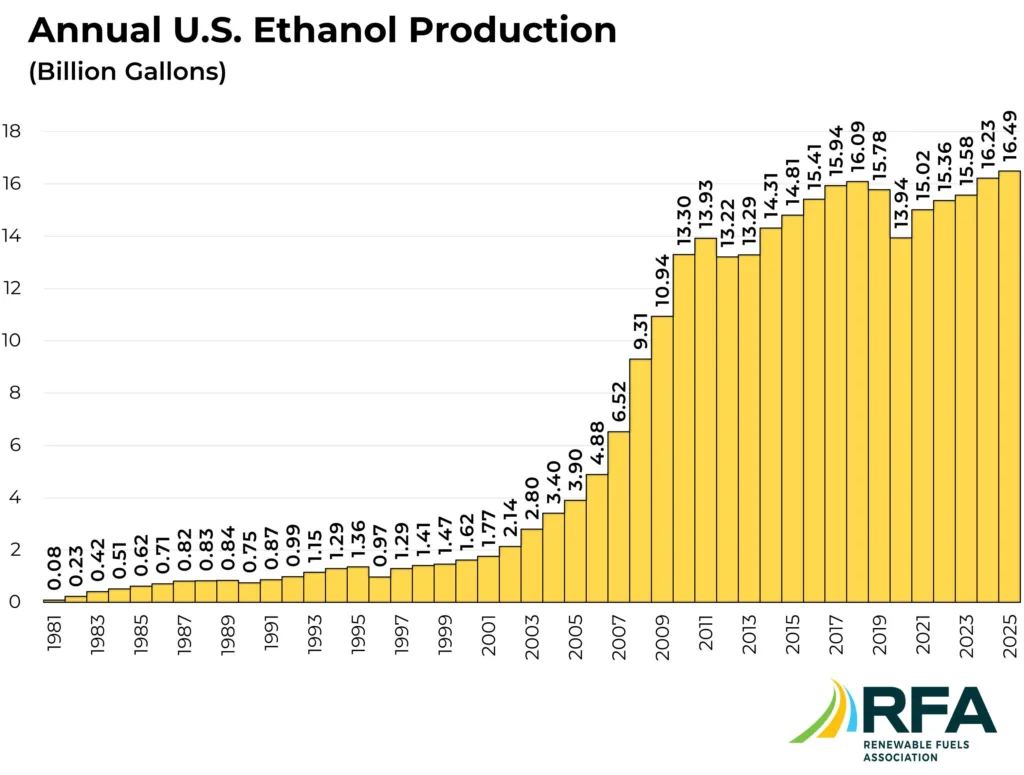
Today, there are approximately 190 operating fuel ethanol plants in the United States, with roughly 125 built during the 2000s. While every facility is different, many existing plants were designed around original production targets that may no longer reflect current operational goals. Increasing throughput, reducing energy consumption, improving uptime, or lowering carbon intensity often requires a different approach than simply adding equipment.
Successful DD&E revamps begin with understanding how a plant is actually operating.
Every Ethanol Plant Is Different
No two ethanol plants operate exactly the same.
Even facilities with similar original designs can perform very differently due to equipment condition, historical modifications, operating philosophy, fouling, maintenance history, and site-specific constraints.
This is one reason why successful revamps rarely follow a standard design approach.
The engineering principles behind ethanol distillation remain consistent, but the path to improving performance is plant-specific. What works at one facility may not produce the same result at another. Understanding both the common operating patterns and the unique realities of a specific plant is often the difference between a successful revamp and one that underperforms expectations.
Why Real Plant Data Matters
One of the biggest mistakes in revamp planning is relying too heavily on assumptions.
DCS data is valuable, but it does not always tell the full story.
Successful evaluations often begin in the field — collecting measured operating data directly from the plant using calibrated instrumentation and comparing it with historical operating information.
Field measurements help validate actual operating conditions, identify inconsistencies, and establish confidence in the engineering calculations used to evaluate bottlenecks.
Measured data minimizes assumptions.
That matters because small operating differences can significantly influence DD&E performance, especially at higher production rates.
Simulating the Plant Before Making Changes
Before modifications are recommended, it is important to establish a reliable operating baseline.
This typically involves combining field data with DCS operating information to build plant-specific process simulations based on actual operating conditions rather than assumed performance.
The purpose is straightforward: understand what is limiting production before making decisions about how to improve it.
In many cases, bottlenecks are not where operators initially expect them to be.
Simulation helps identify process limitations, evaluate multiple upgrade scenarios, and better understand how changes in one area of the DD&E system may affect performance elsewhere in the plant.
Because every ethanol plant behaves differently, plant-specific simulation is always an important tool in revamp planning.
When Ethanol Plant Revamps Aren’t Enough
Not every bottleneck can be solved through modifications alone.
Sometimes the original equipment simply cannot support the plant’s production goals. In other cases, the economics of modifying existing equipment may not justify the effort compared to replacement.
The right solution depends on several factors, including:
- The severity of the bottleneck
- Plant production goals
- Energy performance targets
- Existing equipment limitations
- Overall project economics
The objective is not to recommend modifications for the sake of modifications. The objective is to identify the most practical path toward improved plant performance.
Solving One Bottleneck Often Reveals the Next
One reality of DD&E revamps is that improvements are often iterative.
Removing one bottleneck frequently exposes another.
Increasing column capacity may reveal heat transfer limitations. Solving a dehydration issue may expose vapor handling constraints. In some facilities, the limiting factor remains within DD&E. In others, bottlenecks extend into different areas of the plant.
For this reason, successful revamps often involve evaluating multiple upgrade scenarios and understanding how improvements interact across the process rather than focusing on one isolated piece of equipment.
Real-World Constraints Matter
One of the most overlooked aspects of revamp planning is that existing equipment rarely behaves like a clean drawing package.
Existing vessels have real-world conditions that must be accounted for during design and installation.
Field conditions, fabrication tolerances, historical repairs, available access, and scheduling realities can all influence how a revamp is executed.
For example, replacing rectifier internals may require multiple rounds of re-simulation as operating data evolves, coordination between subcontractors, fabrication schedules, and installation planning. In some projects, permitting and inspection requirements may also become part of the equation.
The engineering challenge is not simply identifying the right technical solution. It is implementing that solution successfully in an operating plant environment.
A Practical Example of Ethanol Plant Revamp Execution
In one recent ethanol plant revamp project, an ICM 40 facility operating at approximately 85 MMGPY increased production to 105 MMGPY through a targeted DD&E upgrade approach.
The original project proposed 18 modifications. Fifteen were approved initially, with two additional modifications added later. Approximately six weeks of pre-shutdown work helped prepare for implementation, followed by an eight-day shutdown for execution.
Projects like this reinforce an important point: meaningful production increases do not always require major plant expansion. Often, the opportunity begins with understanding how existing systems are operating and identifying the most practical way to improve them.
The Opportunity Is Already Built
Many ethanol producers are focused on increasing throughput, reducing steam demand, improving uptime, and improving carbon intensity scores.
In many cases, the infrastructure to support those improvements already exists.
The challenge is understanding where the limitations are, how systems interact, and which changes provide the greatest impact with the least disruption.
If you missed Ken Crawford’s FEW presentation, Strategies for Successful DD&E Revamps in Fuel Ethanol Plants, and would like to discuss operating conditions at your facility, the RCM Thermal Kinetics team would welcome the conversation. Give us a call at (716) 264-4913 or contact us to get started.
Download the eBook
Download the companion eBook for a more detailed technical review of ethanol plant revamp strategies. It expands on the concepts covered in this article with additional process illustrations, engineering graphs, and practical operating considerations.